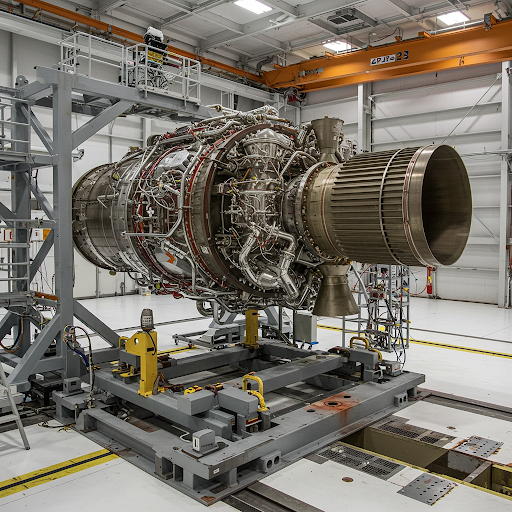
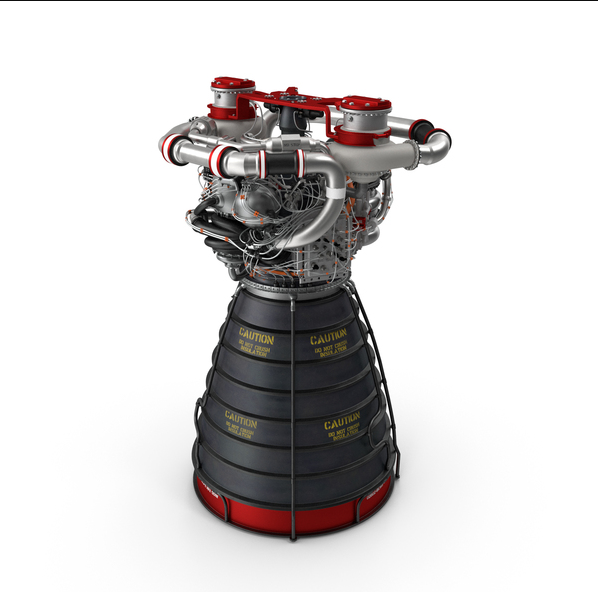
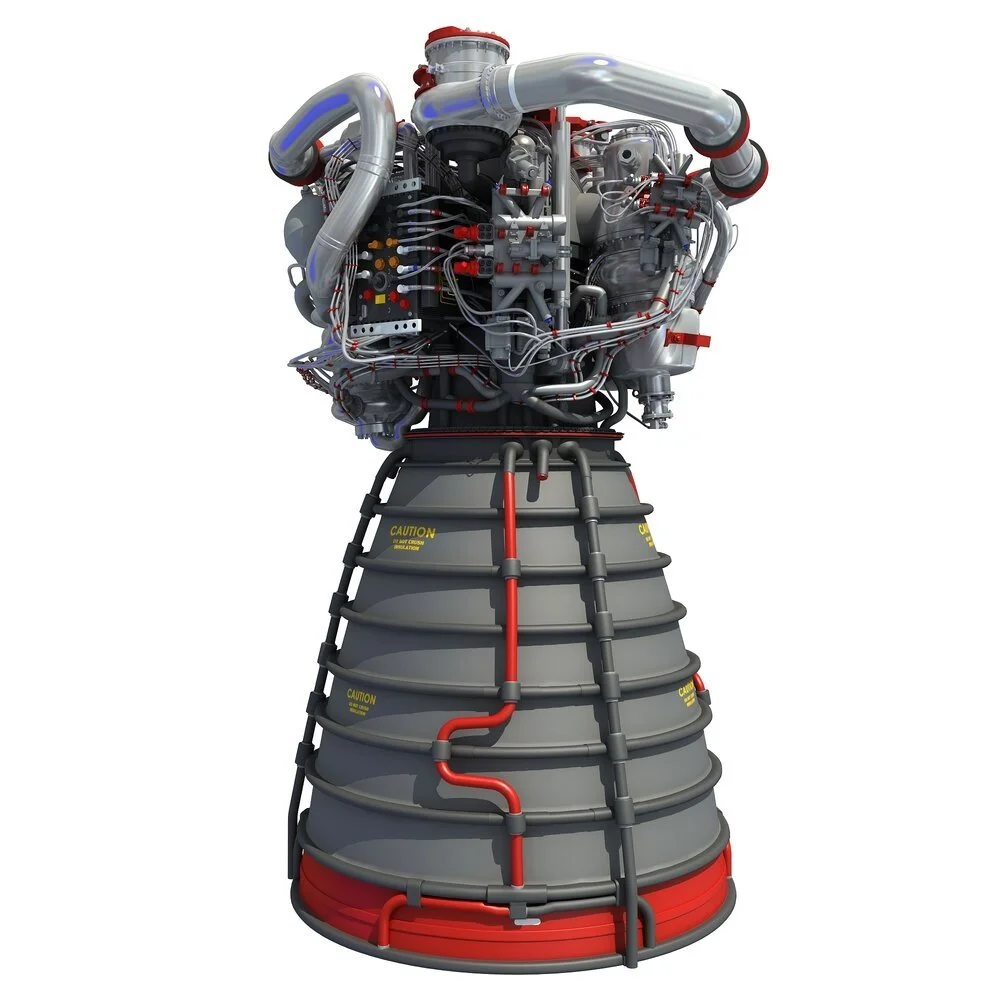
Let’s face it, some people just aren’t satisfied with flying off the shelf rocket motors. They want to learn the the actual science behind the engine design, propellant mixtures and how to process the chemical components and even design they’re own nozzles. But…
Designing solid rocket motors mixes engineering and hands‑on work, with strict safety and legal controls. Define mission needs: thrust curve, burn time, total impulse, and propellant (grain shape and mix). Do performance estimates—thrust, Isp, mass flow, chamber pressure—and refine grain and nozzle designs. When using engine casings, you must consider chamber, nozzle, and any insulation, accounting for heat, wall thickness, strength margins, and nozzle erosion. Use high‑temp materials or composite cases with proper liners and rated materials for nozzle fabrication. 3D‑print prototypes, fixtures, and non‑pressure parts should not be used in combination with combustible propellants! Test stepwise: pressure checks, low‑thrust/low‑load firings, then full static fires with remote instrumentation for pressure, exhaust temp, thrust, and structural response. Record every design change and test, follow laws and standards, use approved test sites, and keep emergency and remote safeing systems ready. High power solid rocket motors are complex and heavily regulated—proceed cautiously and learn from each controlled test.
Below are links to documents that inform you of solid propellant engine classifications that are the standards in the industry. As engine sizes get bigger and more powerful they begin fall into classes that are controlled under federal regulation. When designing your own engines it is highly recommended to start small, primarily due to the safety concerns. Special tools and equipment are neede not only to process the fuel, but most importantly, keeping the process safe!