FIRST THINGS FIRST
*
FIRST THINGS FIRST *
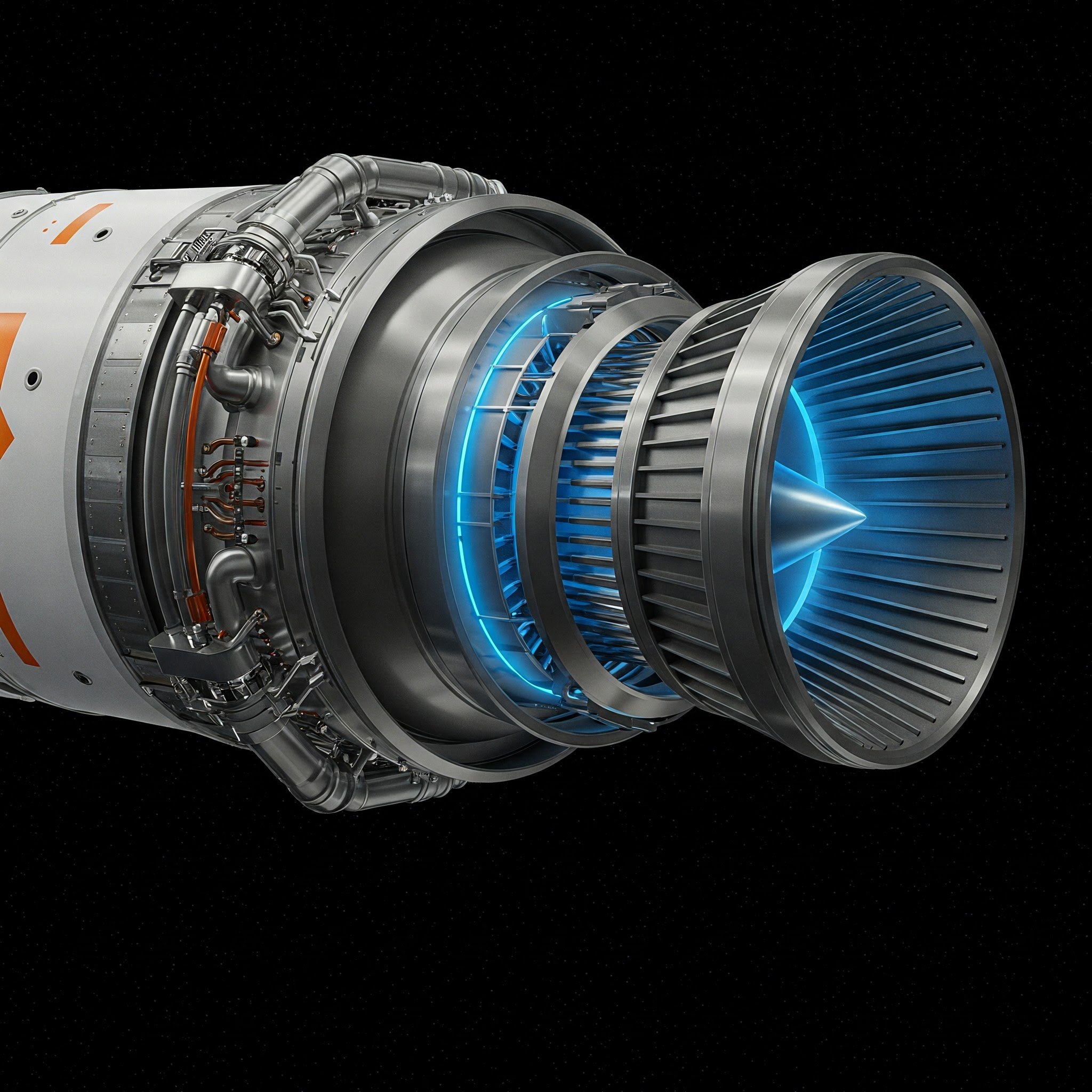
Thinking about a hands-on hobby that blends engineering, creativity, and a bit of thrill? Model rocketry is an accessible, educational, and rewarding pursuit — perfect for makers, families, and anyone curious about flight.
Why start model rocketry?
Teaches basics of aerodynamics, electronics, CAD, and 3D printing.
Offers quick, visible results: design, build, and fly in a single weekend.
Scales from simple, low-cost models to advanced, high-performance rockets.
Community-focused: clubs, launch events, and online forums provide support.
How to get started
Learn the basics: Read beginner guides from trusted sources and watch launch videos to understand terms (motor impulse, stability, recovery).
Start with a kit: Buy an inexpensive, beginner-friendly kit that includes body tube, fins, nose cone, and recovery system. These reduce complexity and speed learning.
Get essential tools: hobby knife, sandpaper, wood glue or epoxy, masking tape, ruler, and a launch pad/rod.
(Keep in mind the more advanced your rockets become, the more equipment you’re going to need to build them!)
Choose motors: Begin with low-power motors (A or B class) and commercially made black powder engines. They’re safe, standardized, and easy to buy.
Assemble and test: Follow the kit instructions, balance your rocket (static stability), and perform a ground check of recovery components (parachute/shock cord).
Launch: Attend a club launch or public field with a cleared launch area. Use an electronic launch controller and a stable pad. Keep a safe distance and follow countdown procedures.
Iterate: After successful flights, explore custom designs, CAD modeling, 3D-printed parts, altimeters, telemetry, and reusable motors.
Rules, regulations, and where to launch
National guidelines: In the United States, model rockets are generally regulated by the Federal Aviation Administration (FAA). Most hobby rockets qualify as "model aircraft" under FAA rules if they meet size and propellant limits and are flown safely.
Notifications and waivers: For higher-altitude or larger rockets, airspace waivers or NOTAMs may be required. Check local FAA requirements and airspace maps.
Local laws: Always verify state and municipal fire codes, park rules, and landowner permission. Some properties prohibit fireworks-like devices.
Club safety codes: Fly with organizations such as the National Association of Rocketry (NAR) or Tripoli, which provide safety codes, insurance, and certification programs.
Safety essentials
Use certified commercial motors; never modify or experiment with propellant at home.
Choose a wide, clear launch area free of dry vegetation, buildings, and power lines.
Observe wind limits: strong winds can cause dangerous drift or uncontrolled flight.
Keep spectators at safe distances and follow established countdown and range commands.
Inspect rockets before each flight; repair dings, replace frayed shock cords, and ensure reliable recovery.
Store motors and igniters in cool, dry places and follow manufacturer storage instructions.
Get certified: Club certification programs teach safe handling of larger motors and advanced launches.
Start simply, learn progressively, and prioritize safety. Model rocketry offers a satisfying loop of design, build, and flight — and opens doors to CAD, 3D printing, telemetry, and community events. Lunar Joe’s Rocket Emporium supports beginners with designs, tooling, and resources to get you off the launch pad and into the sky.
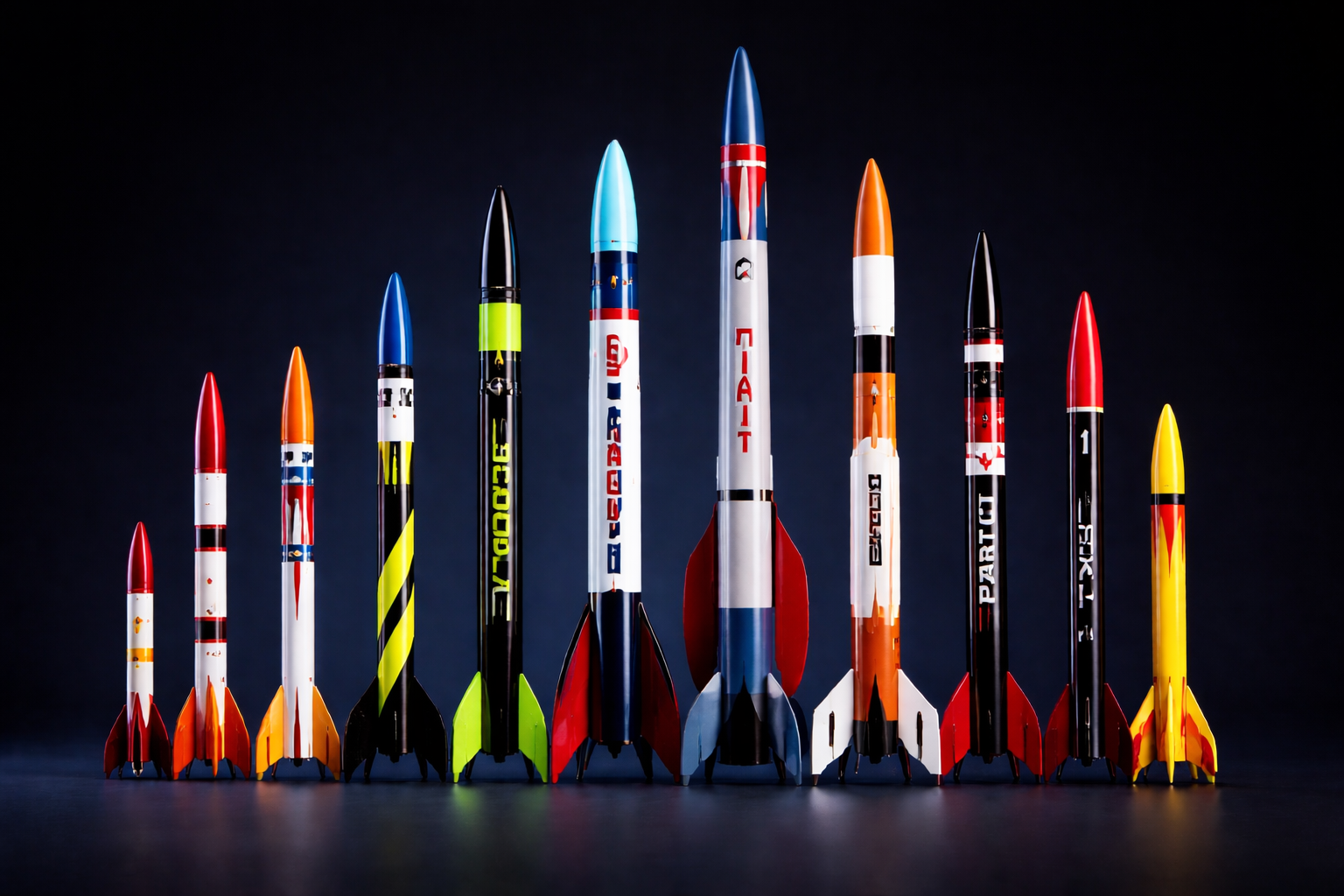
Below are some cool companies to get you started. Just click on the links!


YES, IT IS ROCKET SCIENCE!